Target Identification
Before launch, HAWK connects directly to perimeter radars and sentry cameras. As soon as an enemy drone or incoming network enters the area, the command system tracks its exact speed and direction in real time.
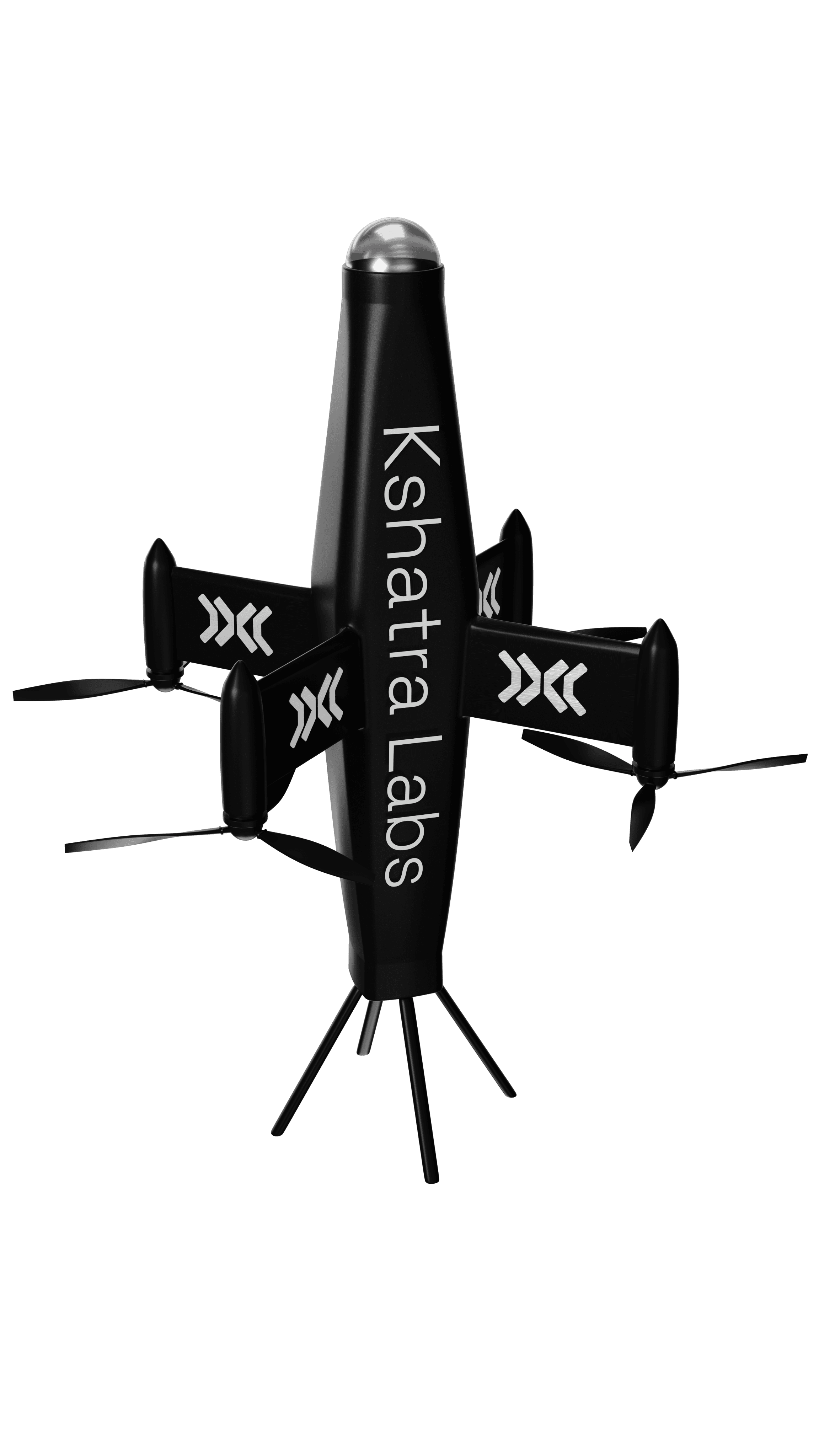
One airframe, three roles: Interceptor, Kamikaze, and Anti-Interceptor. Cued by ground radar and closed out by onboard optical and thermal tracking, HAWK finds, follows, and neutralizes hostile drones, engineered to keep flying through GPS jamming and denial.

Inspect HAWK's main subsystems and design parameters below

A daylight camera fused with a thermal imager for day/night target tracking. The ground radar track is projected into the camera frame to cue acquisition, then onboard vision refines the lock through the terminal approach.
From the first radar alert to direct high-speed collision, HAWK completes the mission automatically in under two seconds.
Before launch, HAWK connects directly to perimeter radars and sentry cameras. As soon as an enemy drone or incoming network enters the area, the command system tracks its exact speed and direction in real time.
HAWK launches straight up from its weather-sealed container. Custom high-torque electric motors instantly vector the interceptor toward the target, reaching 300+ kmph in under two seconds.
HAWK is available in two distinct configurations: Kinetic Hit-to-Kill (which collides directly at high speed to snap enemy structural wings and rotors without explosives) and Proximity Explosives.